
Top 5 Items to Add to Your Classroom to Make It Feel Like Home
12/2/20254 min read
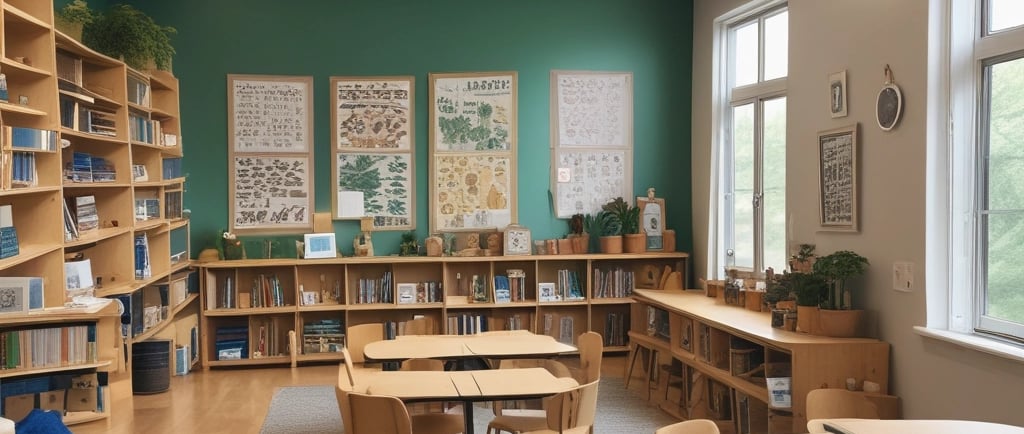
Cozy Seating Options
Creating a welcoming classroom environment is essential for fostering a productive learning atmosphere. One effective way to achieve this is by incorporating cozy seating options such as bean bags, floor cushions, or lounge chairs. These seating arrangements not only enhance the aesthetic appeal of the classroom but also promote comfort, which is often overlooked in traditional educational settings. When students have access to comfortable seating, they are more likely to feel relaxed and at ease, allowing them to focus better on their studies.
Comfortable seating options can significantly impact student engagement and collaboration. For instance, arranging bean bags or cushions in small clusters encourages group discussions and collaborative projects. In such settings, students may feel more inclined to share their thoughts and ideas, leading to a more interactive and dynamic learning experience. The informal nature of these seating choices can break down hierarchical barriers and create an environment that nurtures open communication.
Furthermore, incorporating various seating choices caters to diverse learning preferences. Some students thrive in traditional desk settings, while others may benefit from a more relaxed posture that a lounge chair or bean bag provides. By offering a mix of seating options, educators are acknowledging and accommodating different learning styles, which can lead to improved overall classroom participation. It cultivates an inclusive environment where every student feels their comfort and engagement are prioritized.
In essence, integrating cozy seating options into the classroom is a strategic move to create a home-like atmosphere. By promoting relaxation and collaboration, these seating arrangements enhance student engagement and facilitate more meaningful interactions. The result is a classroom that not only supports academic growth but also nurtures a sense of belonging for every student.
Personal Touches and Decor
Creating a classroom that feels welcoming and nurturing greatly enhances the educational experience for students. Personal touches and decor play a significant role in achieving this goal. Incorporating decor items such as student artwork, family photos, and motivational quotes can transform a standard classroom into a vibrant and inviting environment. These personalizations not only reflect the identity of the community within the classroom but also stimulate engagement among students.
Artwork created by students is an excellent way to showcase their creativity and individuality. Displaying these pieces on the walls fosters pride and encourages students to take ownership of their learning space. Additionally, rotating the artwork regularly can create a dynamic and ever-evolving atmosphere, allowing students to anticipate new displays and feel a continual growth in their artistic expression. This practice not only beautifies the classroom but also builds a culture of respect and admiration for one another's efforts.
Inclusion of family photographs can also enhance the feeling of home in a classroom. When students see familiar faces, it helps bridge the gap between school and family life. This simple act can ease anxiety, especially for younger students who may find themselves in unfamiliar settings. Furthermore, motivational quotes displayed around the room can inspire positivity and resilience among students. Phrases that emphasize hard work, kindness, and belonging encourage a supportive community where every student feels valued and understood.
Creating a visually stimulating environment through effective decor not only elevates student morale but also fosters a sense of belonging. When students see aspects of their lives reflected in their classroom, it transforms the learning space into a second home. These personal touches can significantly impact overall classroom dynamics, allowing for a more connected and supportive atmosphere where students thrive.
3. Plants and Nature Elements
Incorporating plants and natural elements into the classroom environment can significantly enhance the overall experience for both teachers and students. Research indicates that integrating greenery into indoor spaces not only improves air quality but also contributes to lower stress levels. The presence of plants has been linked to increased focus and productivity, which can lead to a more effective learning atmosphere.
When selecting plants for the classroom, it is essential to consider varieties that are easy to maintain. Some optimal options include pothos, snake plants, and peace lilies. These plants thrive with minimal care and adapt well to various lighting conditions. Additionally, they help purify the air by removing toxins, thus creating a healthier environment for students. The act of caring for classroom plants can also foster responsibility and teamwork among students, as they engage in their upkeep.
Beyond live plants, natural elements can be seamlessly integrated into classroom decor to further evoke a sense of calm. Nature-inspired decor, such as wooden furniture, stone accents, or images of serene landscapes, can create a more inviting atmosphere. The aesthetic appeal of these items can serve as a reminder of the outdoors, inviting students to feel more relaxed and connected to their surroundings.
Incorporating nature into the classroom thus serves dual purposes: enhancing the physical environment and supporting students' mental well-being. By thoughtfully integrating plants and nature-themed decor, educators can create a nurturing space that promotes learning while ensuring a comfortable atmosphere conducive to exploration and creativity.
Warm Lighting and Ambiance
Creating a welcoming and nurturing classroom environment is essential for enhancing student comfort and promoting academic success. One of the critical factors that contribute to this atmosphere is lighting. Traditional fluorescent lights, while effective at illuminating the room, often create a harsh and sterile ambiance that can lead to fatigue and disengagement among students. In contrast, softer, warm lighting options not only improve visibility but also significantly enhance the emotional atmosphere of the classroom.
Implementing warm lighting solutions such as fairy lights or desk lamps can transform the educational setting into a more inviting space. These lighting alternatives emit a softer glow that contributes to a cozy, relaxed environment, encouraging students to feel at ease. When selecting soft lighting, consider the uses of table lamps placed strategically around the room, or even decorative string lights draped creatively along walls or ceilings. Such arrangements can foster a unique ambiance that stimulates creativity and promotes focus.
Additionally, layering different types of lighting is an effective technique to further enrich the classroom environment. By combining ambient, task, and accent lighting, educators can create a more dynamic and visually appealing space. For example, using warm floor lamps in conjunction with natural light from windows allows for adjustable brightness throughout different times of the day. Employing dimmer switches on overhead lights can also provide flexibility in controlling the overall light intensity, catering to various classroom activities and preferences.
Ultimately, the key to an inviting classroom atmosphere lies in attention to detail in lighting choices. By adopting softer, warm lighting options, teachers can establish an environment that promotes comfort and fosters a sense of belonging, making the classroom truly feel like home. This small yet impactful change can significantly influence student engagement and overall classroom dynamics.